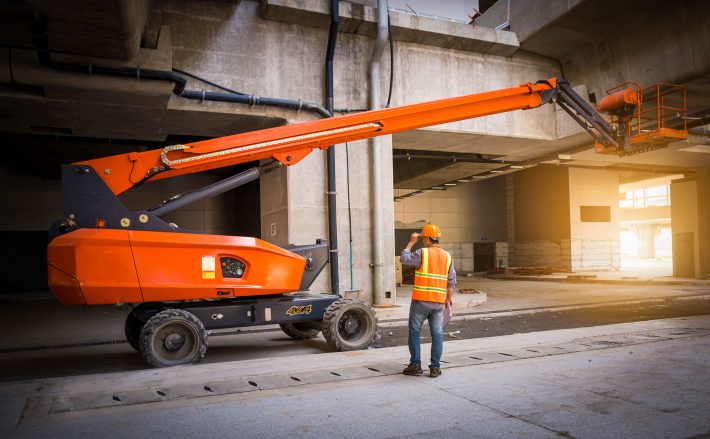
HSE Construction Inspection: What to Expect from a Site Visit (and How to Pass It)

An HSE construction inspection usually starts with no warning at all — inspectors arrive unannounced and expect to see evidence on the spot. The Health and Safety Executive carried out more than 13,200 workplace inspections in 2024/25 and issued over 4,400 enforcement notices.
And if an inspector finds a material breach, you pay for their time at £188 per hour. This guide explains why inspectors visit construction sites, what happens during an HSE site visit, what failing really costs, and the practical habits that get your site pass-ready.
Why HSE Inspectors Visit Construction Sites
Construction remains one of the HSE’s highest-priority sectors for a hard reason: 35 workers died on British construction sites in 2024/25 — the largest share of any industry — and falls from height caused nearly half of those deaths.
An HSE inspector will typically arrive for one of three reasons:
- Proactive inspection campaigns — targeted blitzes on high-risk activities such as work at height, dust control and plant safety.
- Reactive visits — triggered by a RIDDOR-reportable incident, a concern raised by a worker, or a complaint from the public.
- Follow-up visits — checking that action promised after a previous inspection or enforcement notice has actually happened.
Most visits are unannounced. There is no legal duty on the HSE to give notice, so the only reliable strategy is to be inspection-ready every day.
What Happens During an HSE Site Visit
A typical visit has three parts.
The site walkaround
The inspector will observe work as it happens: access and edge protection, plant movements, excavations, welfare facilities and housekeeping. First impressions count — a tidy site signals a managed site.
The document check
Be ready to produce these quickly:
- The construction phase plan and F10 notification required under CDM Regulations 2015
- Risk assessments and method statements (RAMS) for live activities
- Plant and equipment inspection records required under PUWER and LOLER
- Training and competence records for operators and supervisors
- The accident book and any RIDDOR reports

Interviews and evidence gathering
Under Section 20 of the Health and Safety at Work Act 1974, inspectors can question anyone on site, take photos and samples, and require documents. Workers’ answers often carry more weight than paperwork — if your team can’t describe the safe system of work, a written RAMS won’t save you.
What Failing an HSE Construction Inspection Costs
If the inspector finds a material breach of health and safety law, cost recovery starts immediately under Fee for Intervention [opens in new tab] — currently £188 per hour (rate effective 1 April 2026) for every hour the HSE spends identifying and resolving the breach, including office time writing letters and reports.
Beyond FFI, enforcement escalates quickly:
- Improvement notice — a legal requirement to fix a specified problem within a set period.
- Prohibition notice — stops the risky activity immediately, and often the whole site with it.
- Prosecution — the HSE completed 246 prosecutions in 2024/25, securing over £33 million in fines.
Enforcement history also follows you into PQQs and client reviews. We’ve broken down the full financial picture in our guide to the real cost of poor safety inspections in construction.
Worth knowing: most enforcement starts with missing or scattered paperwork, not bad intent. If your inspection records live in site cabins and van gloveboxes, see how digital plant inspection records put every check, defect and certificate one search away — before an inspector asks.
How to Pass: Five Habits of Inspection-Ready Sites

Site safety compliance isn’t a scramble the morning an inspector arrives — it’s a routine. These five habits cover most of what inspectors probe:
- Keep inspection records current and retrievable. Daily plant checks, weekly scaffold inspections and LOLER thorough examinations should be logged the day they happen and findable in seconds.
- Close out defects — and prove it. A defect log with open items and no closure dates is worse than no log at all.
- Keep welfare facilities in order. Toilets, washing facilities and drying rooms are often the first thing inspectors check.
- Brief the team. Make sure operatives can explain the task, the risks and the controls in their own words.
- Audit yourself first. Walk the site as an inspector would, monthly. Paper systems make this slow — digital inspection software fixes the five biggest paper failures before they become findings.
Be Inspection-Ready Before They Arrive
An HSE construction inspection rewards sites that treat readiness as routine: records logged daily, defects closed out with proof, welfare in order, and a workforce that can explain its controls. At £188 per hour of recovered costs, prevention is dramatically cheaper than cure.
workMule puts every plant check, defect report and certificate in one dashboard — audit-ready whenever the knock comes. Book a free demo and see how fast inspection-ready feels.
Frequently Asked Questions
Are HSE site visits always unannounced?
Usually, yes. The HSE has no legal duty to give advance notice and most proactive construction inspections are unannounced, precisely so inspectors see normal working conditions. Some visits — such as planned interventions with larger contractors — may be arranged in advance, but you should never rely on getting a warning.
What is Fee for Intervention (FFI)?
Fee for Intervention is the HSE’s cost-recovery scheme. If an inspector finds a material breach of health and safety law, the duty holder pays for the HSE’s time at £188 per hour (from 1 April 2026). It applies whether or not you’re later prosecuted, and covers site time, correspondence and report writing.
What documents will an HSE inspector ask to see?
Expect requests for the construction phase plan, F10 notification, risk assessments and method statements, plant and lifting equipment inspection records (PUWER and LOLER), operator training records, and the accident book. Fast retrieval matters — fumbling for records suggests they may not exist.
Can I appeal an improvement or prohibition notice?
Yes. You can appeal to an employment tribunal within 21 days of the notice being served. An appeal suspends an improvement notice until it’s decided; a prohibition notice stays in force unless the tribunal directs otherwise. Take legal advice quickly — the window is short.